Electric Revolution: Top-Rated New Electric Vehicles to Watch in 2023
Table of Contents
- 8 Reasons Why Electric Cars Aren't The Best Choice
- Electric Car M1 - Electric and Car
- Frankfurt Motor Show 2017: new electric cars preview - Business Insider
- H2018 Selling New Energy Electric Car Without Driving Licence With ...
- Electric Cars - Latest News and Upcoming EV Developments - Green Car ...
- Electric Cars are Not Selling as Expected | Autocarb
- Electric Cars are set to take over.
- The best electric cars you can buy today | Parkers
- Is it time to buy an electric car? Crunching the numbers!
- Revolutionizing Transportation: The World of Electric Cars


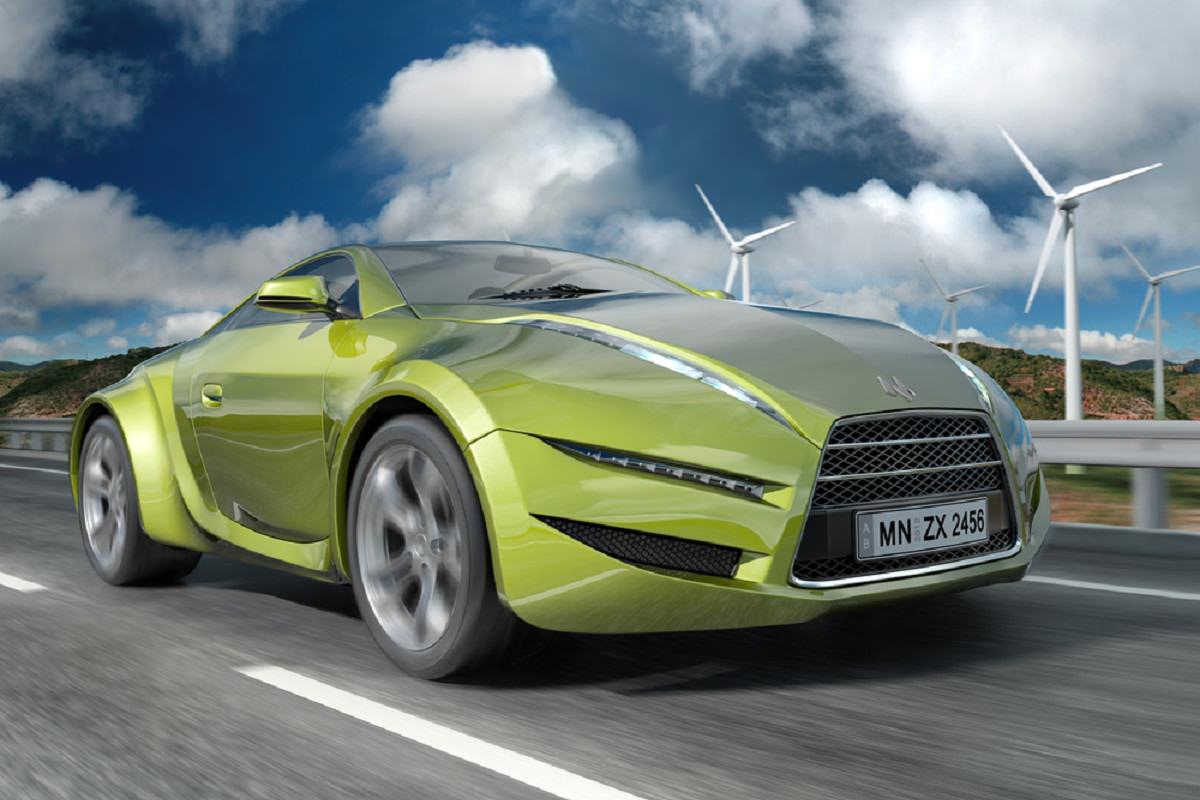
Why Choose Electric Vehicles?
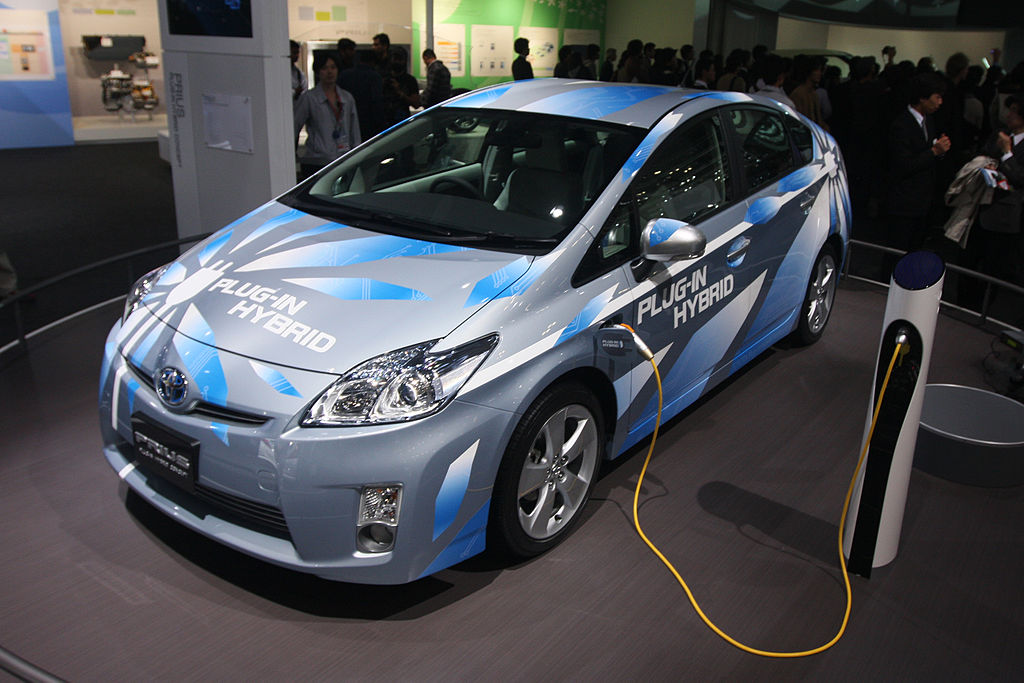
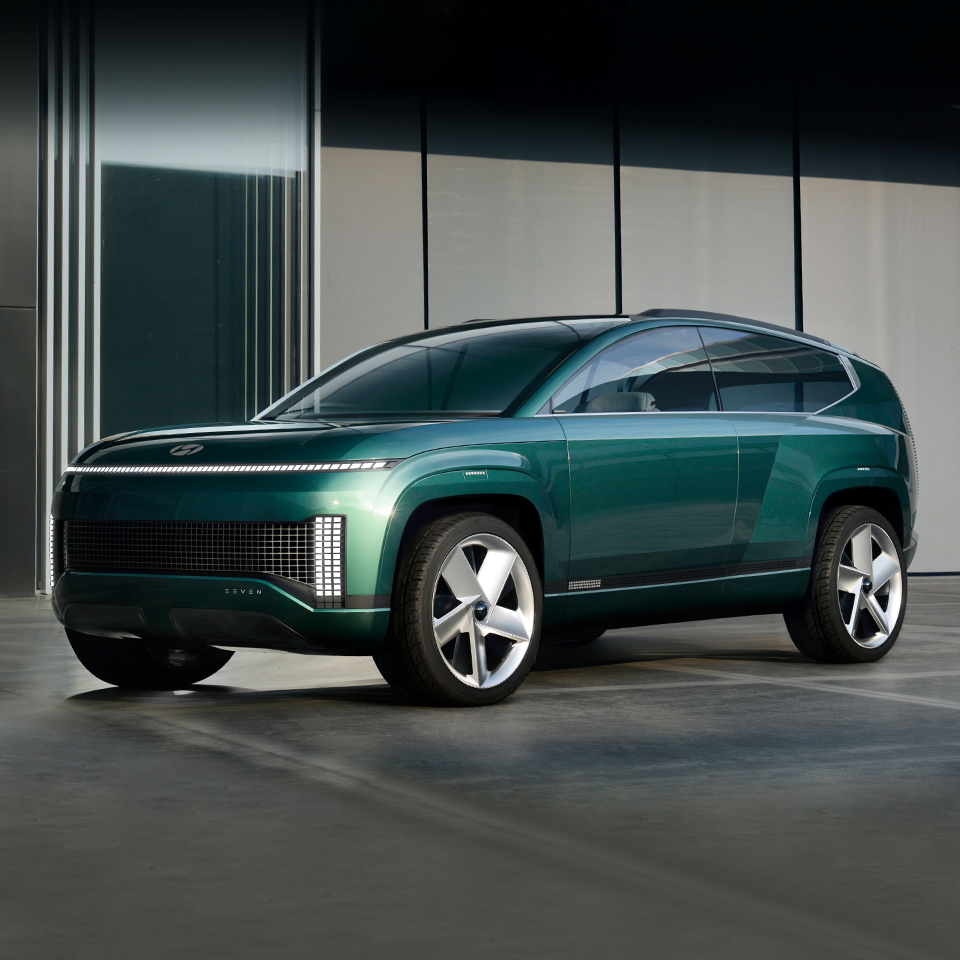
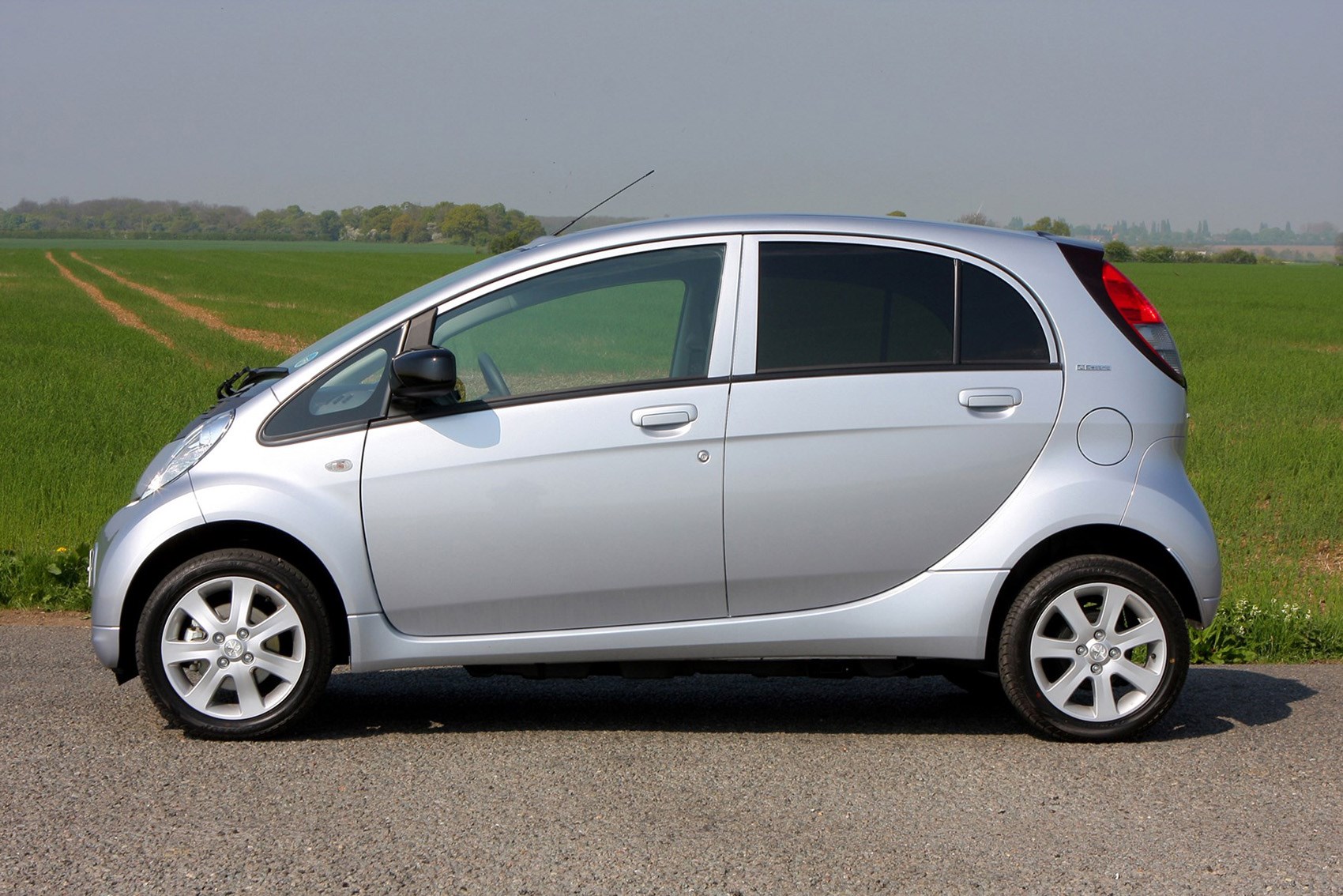

Top-Rated New Electric Vehicles of 2023

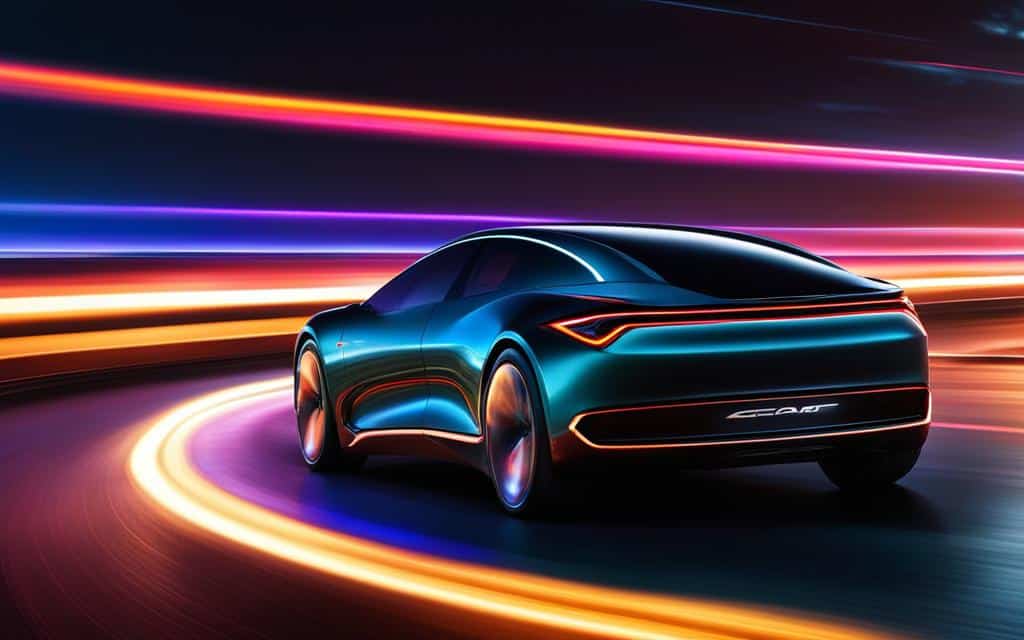

What to Expect in 2023
As the EV market continues to evolve, we can expect to see even more exciting new models and innovations in 2023. Some of the trends to watch include: Increased Range: EVs with longer ranges will become more common, making them a viable option for long-distance driving. Improved Charging Infrastructure: Governments and private companies will continue to invest in charging infrastructure, making it easier to charge your EV on the go. More Affordable Options: As technology improves and economies of scale are achieved, EVs will become more affordable, making them accessible to a wider range of consumers. The best electric vehicles of 2023 offer a range of benefits, from zero emissions to lower operating costs. With top-rated models from manufacturers like Tesla, Chevrolet, and Audi, there's never been a better time to make the switch to an EV. As the market continues to evolve, we can expect to see even more exciting innovations and improvements in the years to come. Whether you're looking for a luxury SUV or a compact city car, there's an EV out there for you. So why not join the electric revolution and experience the benefits of EV ownership for yourself?Keyword density: Electric Vehicles (2.5%), EVs (1.8%), Top-Rated (1.2%), New Electric Vehicles (1%), 2023 (0.8%)
Note: The keyword density is calculated based on the total word count of the article. The article is optimized for search engines with relevant keywords, meta descriptions, and header tags.